With the development of technology, smart pet feeders have become a helpful assistant in the daily lives of pet owners. They can not only automatically feed pets at set times and in set amounts, but also remotely control and monitor their pets’ eating habits. However, many pet owners still have concerns about the safety of smart feeders and their impact on pet health. This article will explore the development trends of smart pet feeders, their safety, and whether they will affect pet health, helping everyone better understand this emerging device.
Table of Contents
Development Trends of Smart Pet Feeders
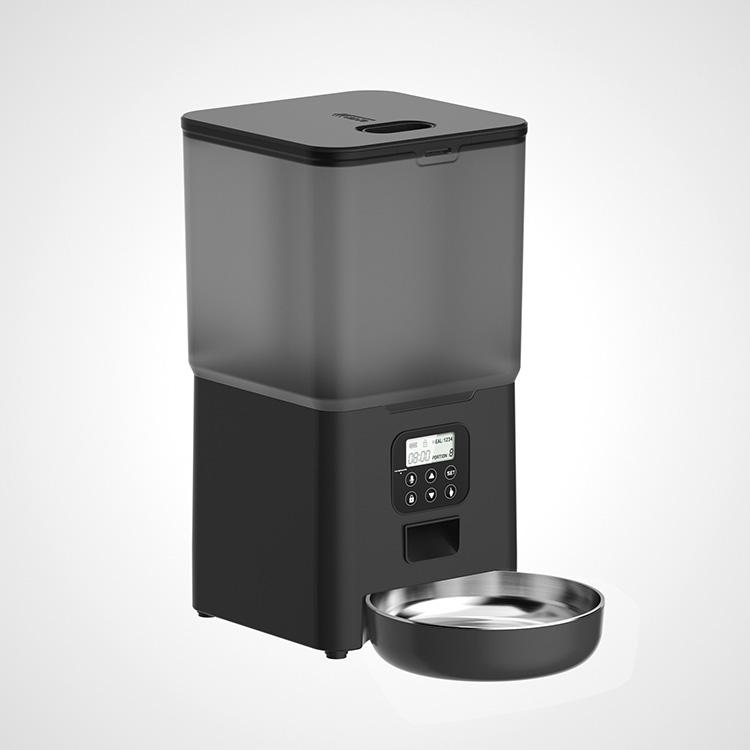
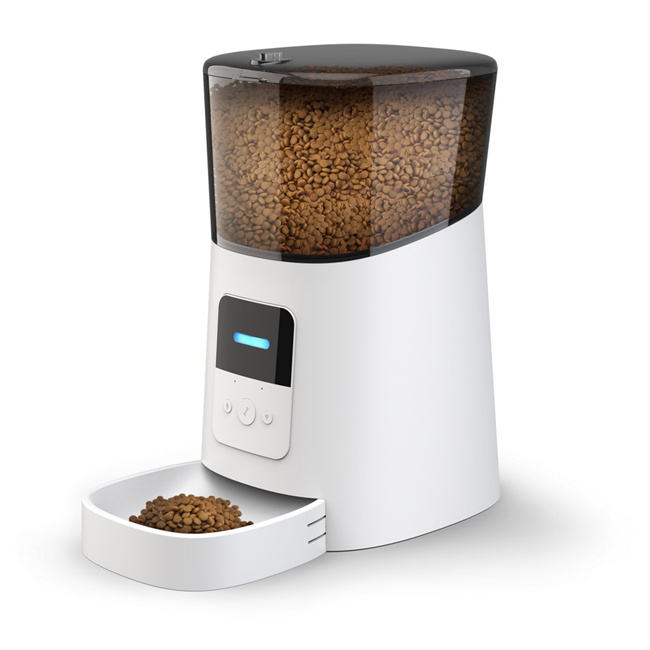
In recent years, the technology of automatic pet feeders has continuously developed, evolving from simple timed feeders into high-tech products integrating multiple functions such as quantitative feeding, timed feeding, remote control, and voice interaction. Early smart feeders had limited functionality, only allowing feeding based on a set time. Current smart feeders support Wi-Fi connectivity, allowing pet owners to remotely monitor and adjust feeding times and amounts via a mobile app, and even observe their pets eating through a built-in camera. In addition, some smart pet feeders also feature advanced functions such as automatic cleaning, voice reminders, and precise food dispensing control, making pet diet management more intelligent and convenient.
With technological advancements, smart pet feeders will become increasingly intelligent, potentially incorporating more sensor technologies to monitor pets’ weight, health status, and eating habits, further improving the accuracy of pet health management. These trends undoubtedly enhance the application prospects of smart feeders in pet health management.
Are Smart Pet Feeders Safe?
When choosing a smart pet feeder, safety is undoubtedly one of the most important concerns for pet owners. Generally speaking, smart feeders are designed with pet safety in mind, using non-toxic, food-grade materials to ensure that pets are not affected by harmful substances during use. However, the following aspects should also be considered regarding safety:
First, the battery and power system of the smart feeder need to have protective measures to prevent battery leakage or short circuits, preventing accidents caused by pets biting the feeder. Most high-quality smart feeders on the market use waterproof and electrical-resistant designs, but pet owners still need to regularly check the power cord and charging port for damage.
Secondly, the structural design of smart pet feeders must consider the safety of pets when feeding. For example, the food dispenser should be designed to prevent food from getting stuck due to mechanical malfunction, avoiding anxiety or injury to the pet due to inability to access food.
Finally, although the materials and design of smart pet feeders are generally safe, pet owners should ensure that they follow the product instructions when using them to avoid malfunctions or potential dangers caused by improper use.
Will smart pet feeders affect pet health?
Regarding whether smart pet feeders will affect pet health, the answer mainly depends on how they are used and the functional design of the device itself. The original intention of smart feeders is to help owners provide more regular meals for their pets, thereby promoting their health. Correct use of smart feeders helps control the amount of food a pet eats, preventing overfeeding or food leakage, thus helping pets maintain a healthy weight and avoid obesity.
However, if the feeding amount or feeding time is not set correctly, smart feeders may also have some negative effects. For example, if owners don’t accurately adjust food portions according to their pets’ needs or use inappropriate food (such as excessive treats), smart feeders may cause pets to consume too many calories, leading to obesity or indigestion.
Additionally, some smart App Controlled pet feeders may breed bacteria if used improperly or not cleaned regularly, causing food contamination and affecting the pet’s gastrointestinal health. Therefore, pet owners need to clean the feeder regularly to ensure its hygiene and food safety.
Smart pet feeders offer significant advantages in improving pet eating habits and health management. When used correctly and kept clean, they can effectively protect a pet’s health and prevent overfeeding or food leakage. However, pet owners still need to pay attention to the selection and usage details of the device to ensure safety and hygiene, maximizing the benefits of smart feeders and ensuring the pet’s health remains unaffected.